
Your Bag (0)
Your bag is empty.
Continue shopping
Dilaavez Editorial · September 17, 2026
Artificial jewellery can look just as polished as fine jewellery for years, but only if it is looked after properly. The good news is that caring for it does not take much effort. A handful of simple habits make the biggest difference.
Here is exactly what to do, and what to avoid, to keep your pieces looking new for as long as possible.
Most artificial jewellery is made from a base metal with a gold-tone or silver-tone plating on top. That plating is what eventually wears down, usually from contact with water, sweat, perfume, lotion and friction against skin or clothing.
The metal itself is not the problem. It is what the plating is repeatedly exposed to over time.
Put your jewellery on as the very last step of getting ready, after perfume, lotion and hairspray have already settled. Take it off as the first step when you get home, before washing your hands, face or showering.
This single habit prevents more damage than almost anything else on this list, since it keeps your jewellery away from the products and moisture that wear down plating the fastest.
Cleaning does not need any special products. A gentle routine, done occasionally rather than constantly, is enough.
1. Wipe the piece gently with a soft, dry microfiber cloth after each wear to remove any oils or residue before they build up.
2. For a deeper clean, dampen the cloth slightly with water only, avoiding harsh soaps or chemical cleaners, and wipe gently rather than scrubbing.
3. Dry the piece completely with a clean cloth before putting it away. Storing jewellery while damp is one of the fastest ways to dull the finish.
4. Avoid soaking artificial jewellery in water entirely, since prolonged moisture exposure can affect both the plating and any glued stone settings.
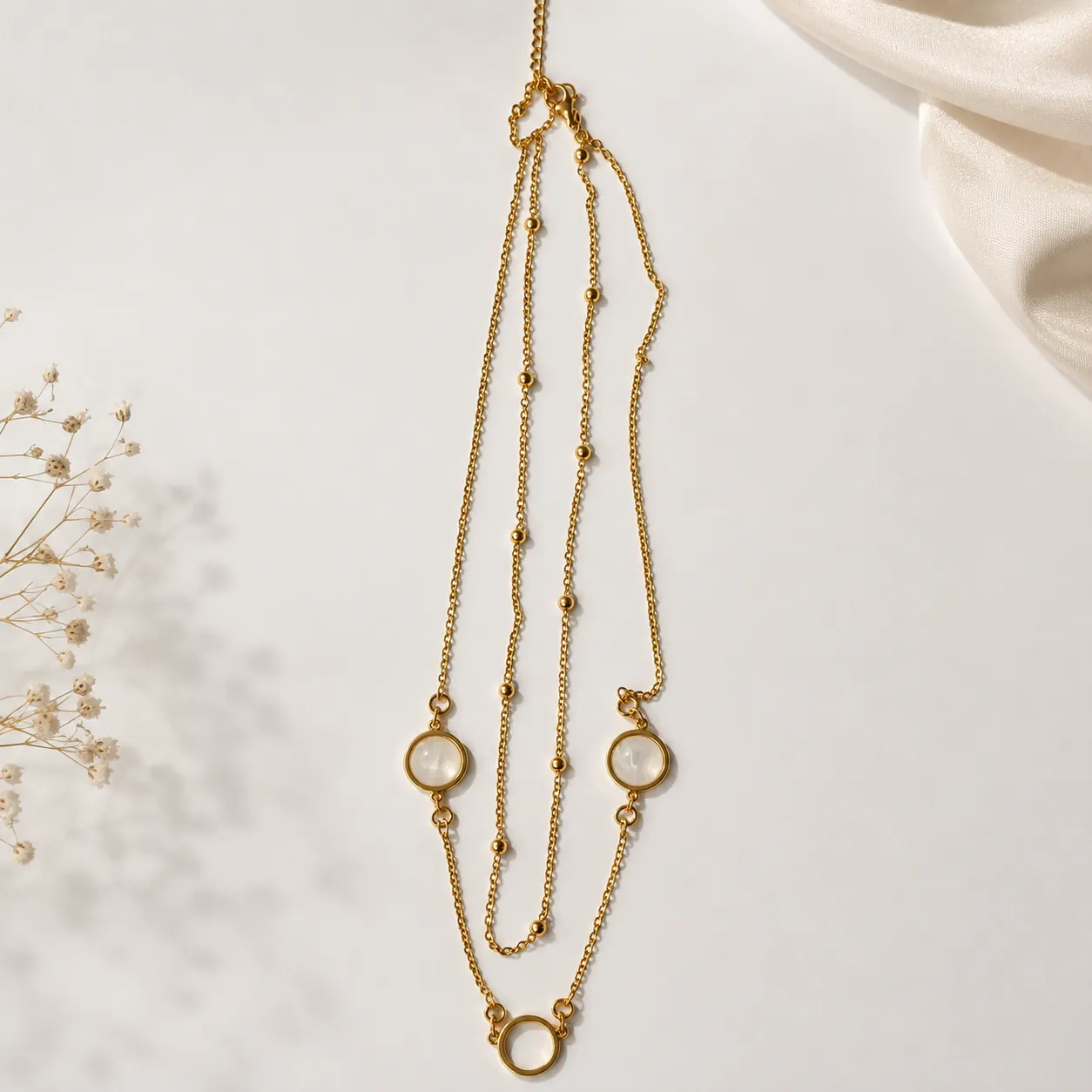
Store each piece separately, or at least keep pieces from touching each other directly. Metal rubbing against metal in a jewellery box is a common, avoidable cause of scratches and dulled plating.
A soft pouch, a lined jewellery box, or even a resealable bag works well. Keeping pieces flat rather than tangled also helps chains like the Mehr Layered Gold Necklace avoid unnecessary stress on the links.
Keep your jewellery away from direct sunlight and humidity, both of which can speed up tarnishing over time.
Gold-tone plating is generally more forgiving than silver-tone, but it still benefits from the same last-on, first-off habit and dry storage.
Avoid direct contact with chlorine, such as in swimming pools, since it is one of the fastest ways to dull gold-tone plating specifically.
Silver-tone jewellery, like the Neel Square Ring, can be more prone to visible tarnishing over time, especially with regular skin contact.
Wiping silver-tone pieces with a dry cloth after each wear, rather than only occasionally, keeps them looking noticeably brighter for longer.
Pieces with enamel colouring or set stones, like jhumka earrings, need slightly more care than plain metal designs.
Avoid rubbing directly over enamel or stone-set areas, and never use a brush or anything abrasive on them. A soft cloth wiped gently around the setting is enough to keep them clean without loosening the stones.
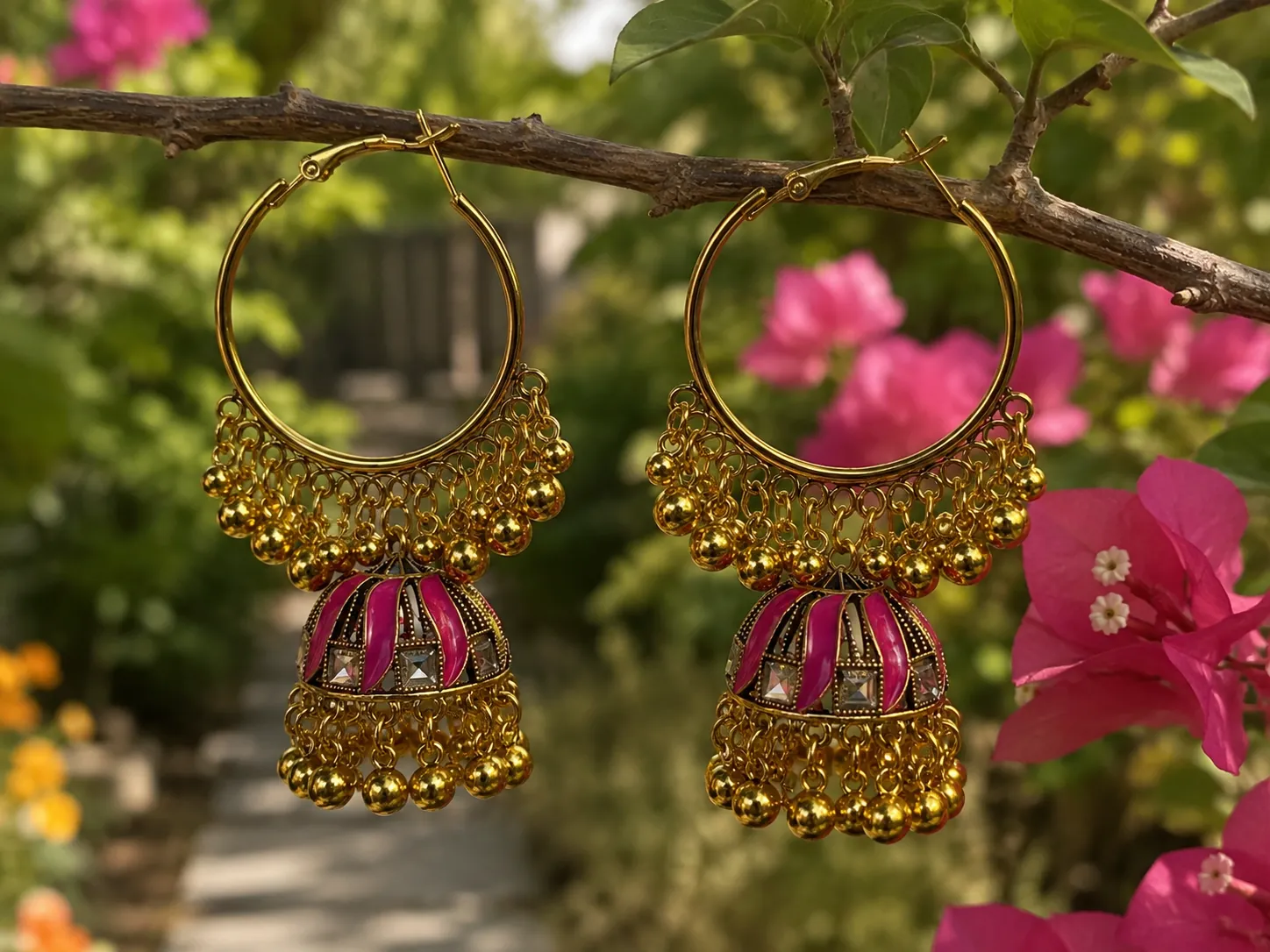
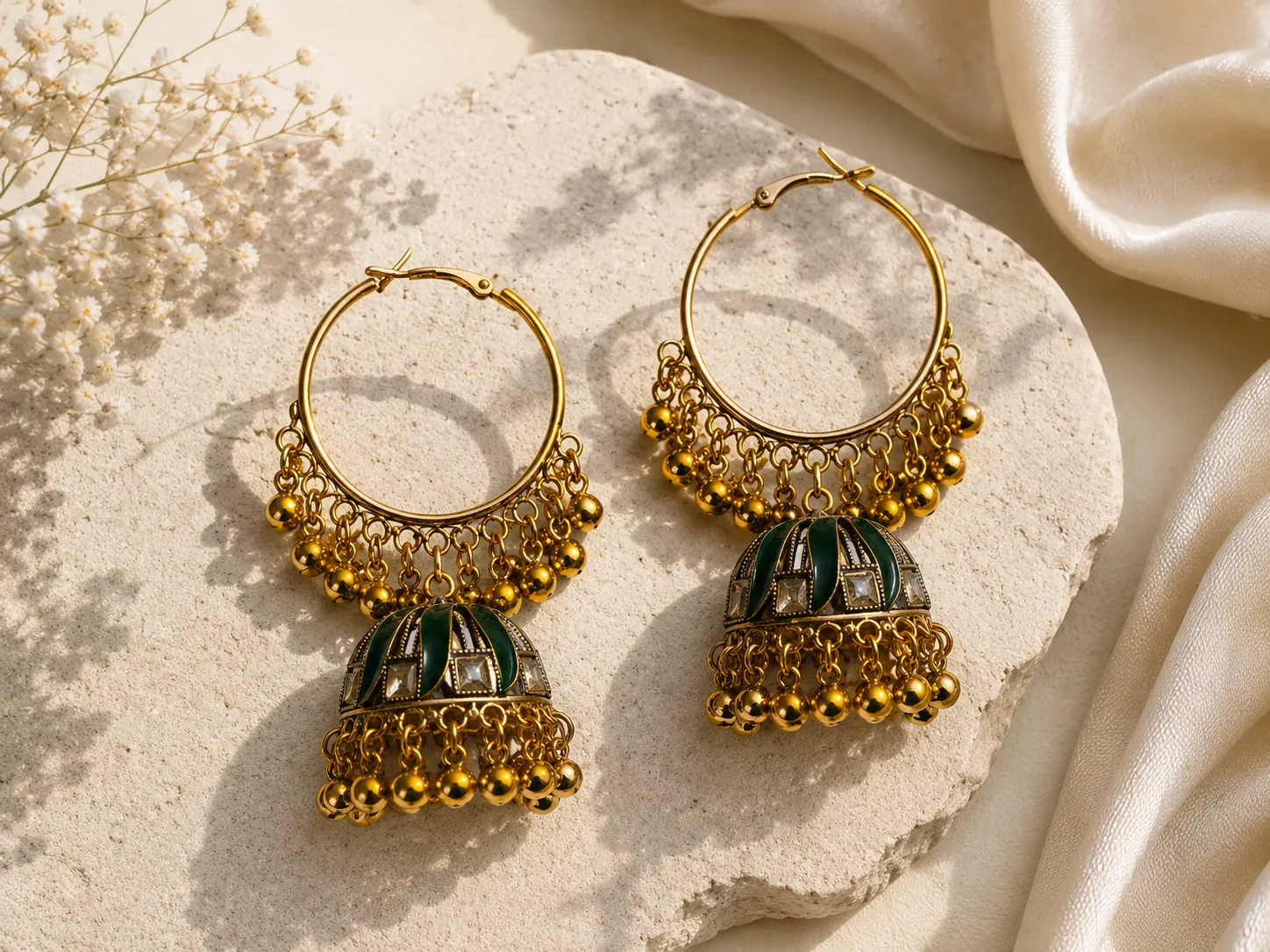
A short list covers most of what causes early wear: showering or swimming while wearing jewellery, spraying perfume directly onto a piece, storing jewellery in a damp bathroom, tossing pieces loosely into one drawer, and cleaning with harsh chemicals or ultrasonic cleaners meant for fine jewellery.
Avoiding these few situations does more for the lifespan of your jewellery than any specific product ever will.
Caring for artificial jewellery is mostly about a few consistent habits rather than any single trick: put it on last, take it off first, keep it dry, and store it so pieces are not scratching against each other.
Explore the Dilaavez cuff bracelets collection and the rest of the range to find pieces designed to stay part of your everyday rotation for a long time.
It is best to avoid it. Water, soap and shampoo residue speed up plating wear, so removing jewellery before showering helps it last much longer.
A quick wipe with a dry cloth after each wear is enough for regular upkeep, with an occasional gentle clean using a slightly damp cloth if needed.
It is best avoided. Chemical cleaners and ultrasonic cleaners designed for fine jewellery can be too harsh for plated pieces and stone settings.
This usually means the plating has started to wear down, often from repeated contact with water, sweat, perfume or lotion.
It is better to keep them separated, either in individual pouches or compartments, since metal rubbing against metal can cause scratches and dull the finish.
Yes. Prolonged exposure to direct sunlight and humidity can speed up tarnishing, so store pieces in a cool, dry place away from direct light.