
Your Bag (0)
Your bag is empty.
Continue shopping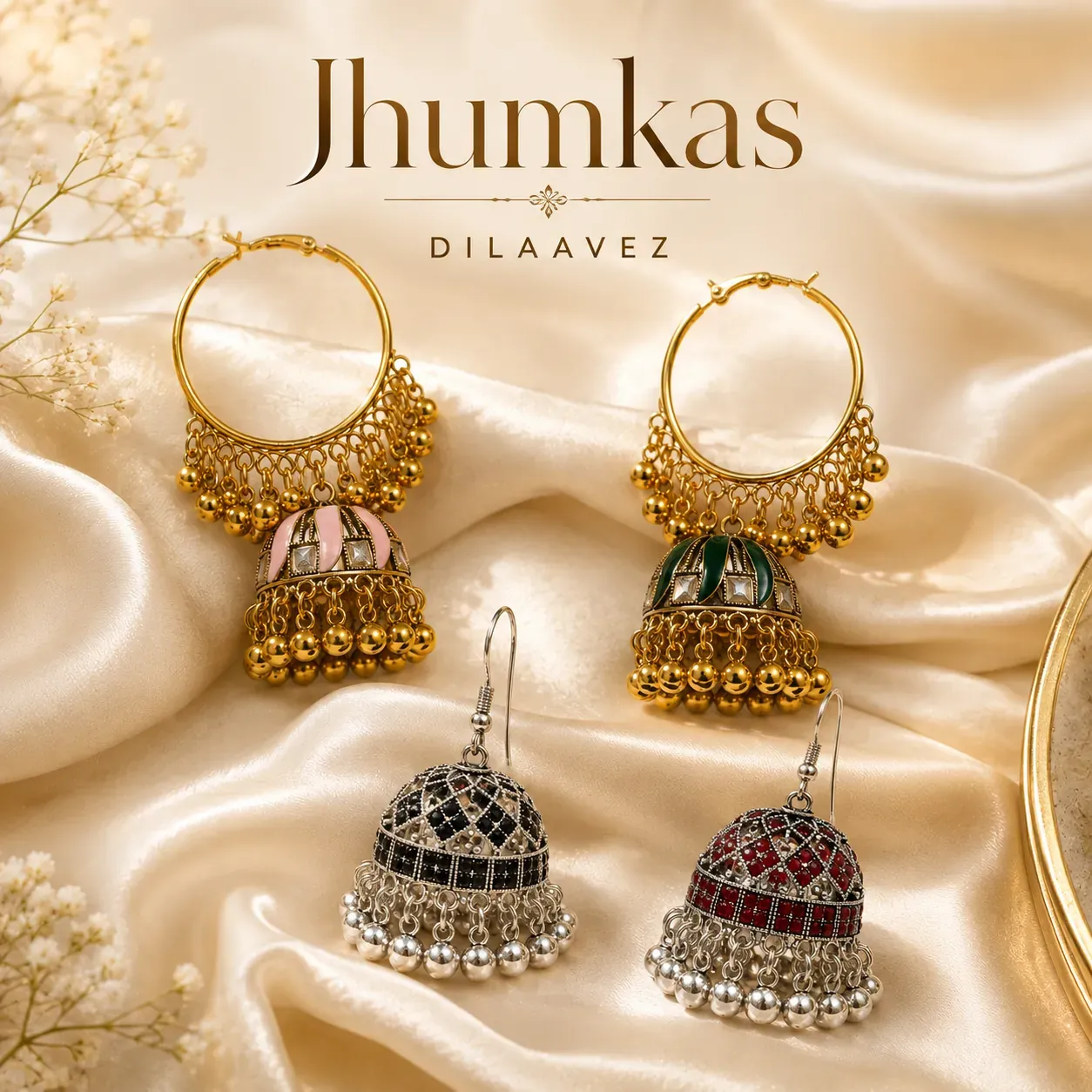
Dilaavez Editorial · September 17, 2026
Artificial jewellery has moved a long way from being seen as a cheaper stand-in for gold. For most people buying jewellery in Pakistan today, especially for everyday wear, it is simply a different category with its own advantages, not a lesser one.
Still, some honest questions come up again and again. Does it tarnish? Is it safe on the skin? Is it actually worth the money compared to real gold? Here is a straightforward answer to each.
Artificial jewellery, sometimes called costume or fashion jewellery, is made using base metals such as brass or alloy, finished with gold-tone or silver-tone plating, and set with crystal, glass or synthetic stones rather than precious gems.
It is designed to look and feel like fine jewellery at a fraction of the cost, which is what makes it practical for everyday wear, experimenting with trends, and building a jewellery collection without a large investment.
Fine jewellery is made from precious metals like gold or silver and set with genuine gemstones. Its value comes largely from the material itself, and it is typically bought as a long-term investment or for significant occasions.
Artificial jewellery is valued for design, variety and affordability rather than material worth. It lets you own several different styles, colours and looks for the price of a single fine jewellery piece.
Neither is better in every situation. The right choice depends on what you actually need the piece for.
Yes, eventually, but good-quality plating slows this down significantly, and how you care for it matters just as much as how it is made.
Gold-tone and silver-tone plating can dull over time with regular contact with water, perfume, sweat and lotion. Removing jewellery before showering, swimming or applying skincare, and storing it in a dry place, noticeably extends how long the finish stays bright.
Most people wear it without any issue, but if you have very sensitive skin or a known nickel allergy, look for pieces described as nickel-free or hypoallergenic, and avoid prolonged contact with sweat.
Reactions are usually linked to specific base metals rather than artificial jewellery as a category, so quality of construction matters more than whether a piece is artificial or fine.
With reasonable care, well-made artificial jewellery can comfortably last one to a few years of regular wear before the plating starts to show noticeable wear.
Pieces worn occasionally for parties and events tend to last considerably longer than pieces worn daily, simply because they see less contact with moisture and friction.
If you are looking for an investment or a piece to pass down, fine gold jewellery is still the better choice, since it holds material value regardless of design trends.
If you want variety, want to follow current styles without a large ongoing cost, or simply want something to wear daily without worrying about loss or damage, artificial jewellery is the more practical option.
Many people now use both: fine jewellery for milestone occasions, and artificial jewellery, like a Neel Square Ring or a Roya Gold Pendant Necklace, for everyday styling and events where they would rather not wear anything precious.
Fine jewellery remains the better choice for wedding sets, family heirlooms, and pieces meant to be worn for decades or handed down.
It also makes sense if you are wearing jewellery somewhere you cannot easily keep an eye on it, since the material value alone justifies more careful handling.
The real advantage of artificial jewellery is variety. Instead of one gold necklace worn for every occasion, you can have a different colour, cut or style for each outfit and mood.
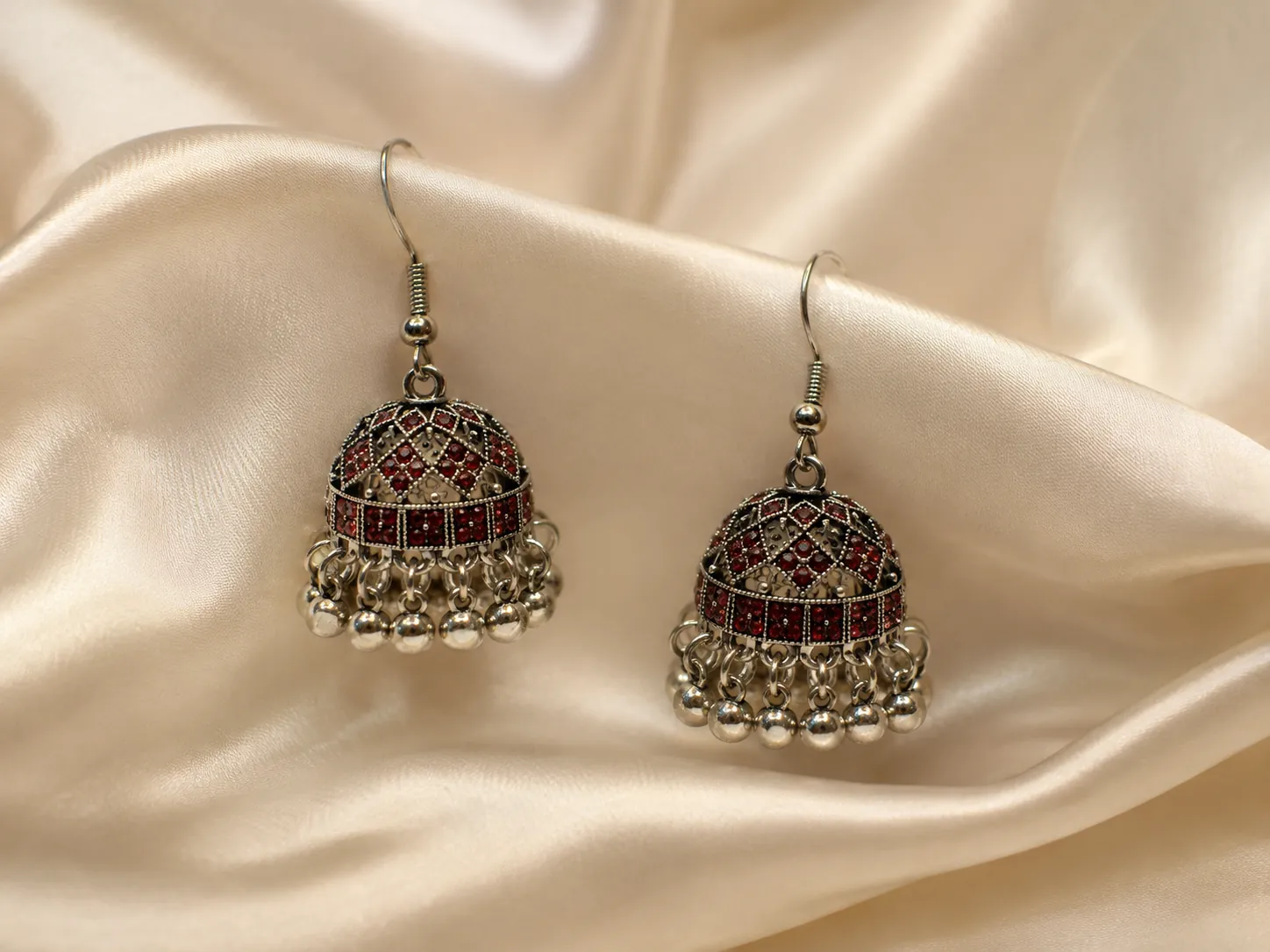
This is especially useful for statement pieces like jhumka earrings or coloured stone rings, where you may want a different shade for almost every outfit rather than committing to one piece for years.
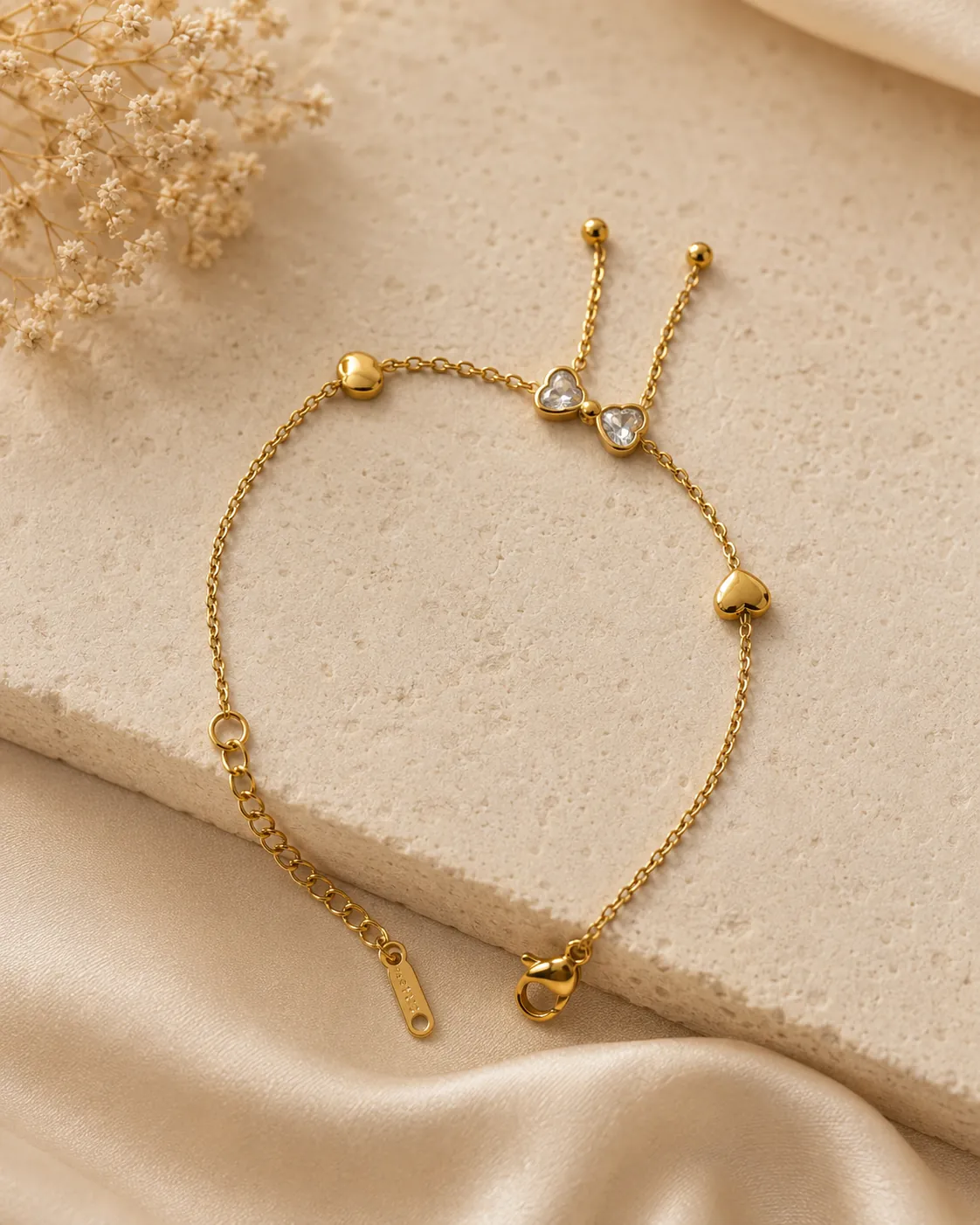
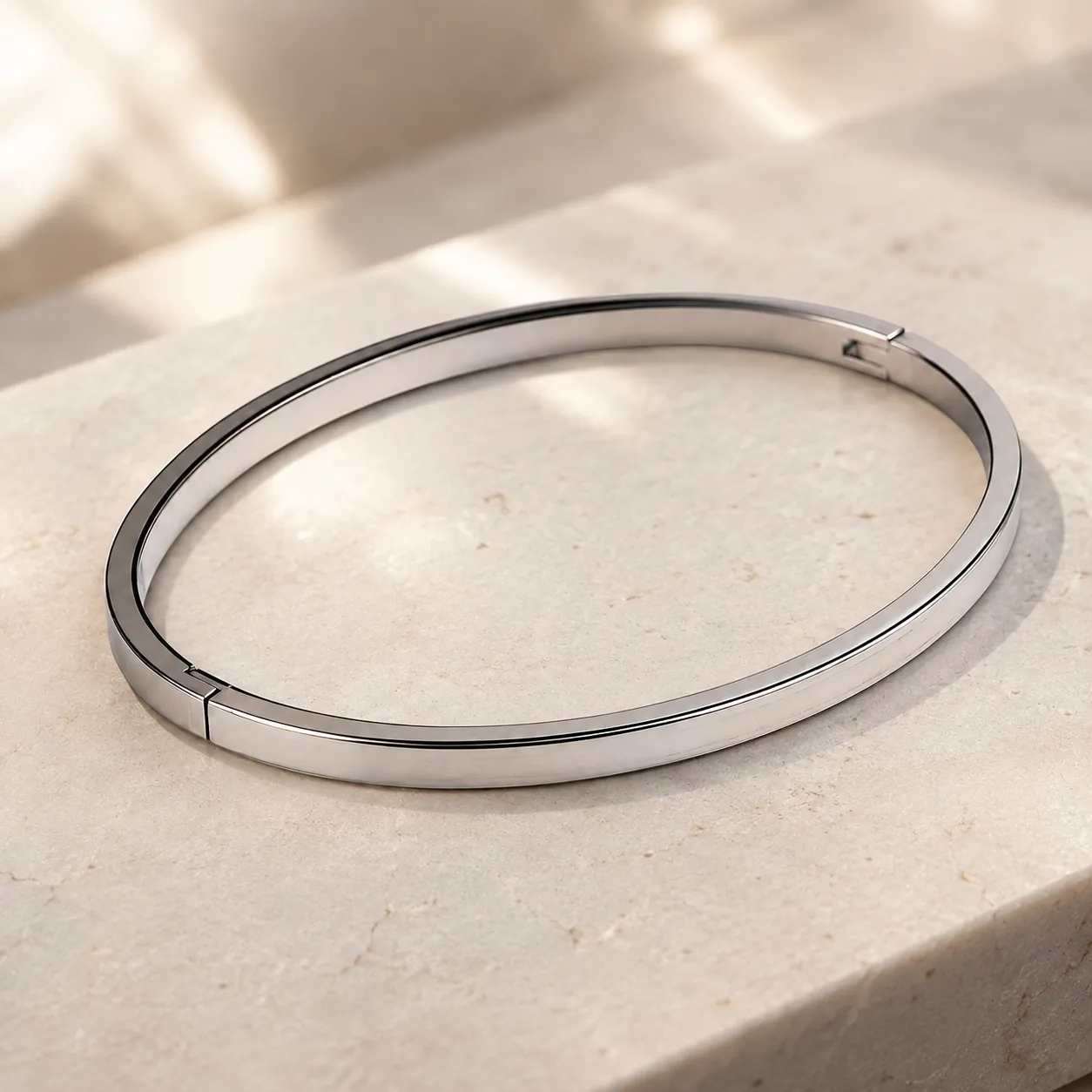
Artificial jewellery is not a compromise. It is simply a different way to build a jewellery collection, one built around variety, styling freedom and everyday practicality rather than material investment.
Explore the full Dilaavez jewellery collection to find pieces across rings, bracelets, necklaces and jhumka earrings for every occasion.
Yes, over time, though good-quality plating and proper care, like avoiding water and perfume contact, slow this down considerably.
Yes, for most people. If you have very sensitive skin, look for nickel-free pieces and avoid prolonged contact with sweat or moisture.
Well-made pieces can last one to a few years of regular wear with reasonable care, and considerably longer if worn only occasionally.
It depends on your goal. Gold holds material value and suits long-term investment, while artificial jewellery offers variety and affordability for everyday and occasion wear.
Yes. Well-designed pieces with good plating and detailing can look just as polished as fine jewellery, especially in photos and from a normal wearing distance.
Yes. Removing it before showering, swimming and applying perfume or lotion is one of the simplest ways to keep the plating looking new for longer.